Living on the mountain
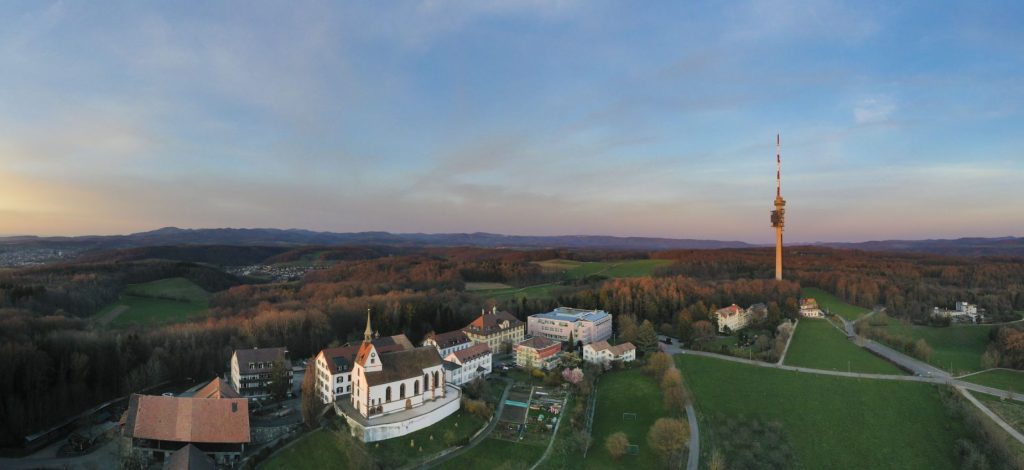
There are various residential units on the Chrischona Berg.
Flats
Our residential units range from compact one-room apartments to spacious flats with several rooms, ideal for different needs. And all in a beautiful location surrounded by nature.
Studios
Our studios are mostly smaller, more affordable flats with temporary kitchen units. Perfect for anyone who values efficiency and good value for money.
Shared flat rooms
For anyone looking for a home with nice flatmates: the shared flat rooms offer the chance of rewarding community living with a shared kitchen and shared showers.
Historic buildings
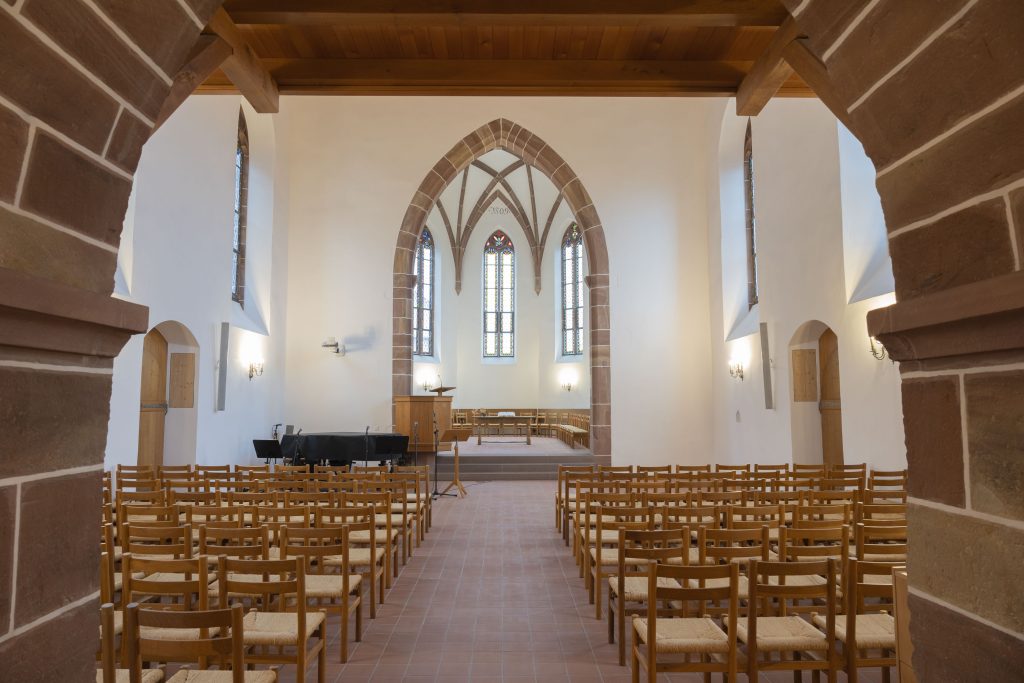
St. Chrischona Church
built 1509/16, restored 1974-76
listed and entered in the register of historic monuments
In St. Chrischona Church, Christian Friedrich Spittler founded the «Pilgermission St. Chrischona» on 8 March 1840, today’s Theological Seminary St. Chrischona (tsc). Spittler’s aim: to train young men in the Christian faith and send them out.
The church is a fitting place for this: predecessors of the late Gothic church have existed since the 7th century. In the 16th century it was rebuilt and served as a popular place of pilgrimage to the tomb of Saint Chrischona.


Alte Heimat
built 1860, renovated 1996
listed
For almost 70 years, from its construction in 1860 until 1929, the Alte Heimat was the residence and teaching building for the students of the Theological Seminary St. Chrischona. Thousands of «Chrischona brothers» were trained here as pastors, evangelists and missionaries. All their lives they kept fond memories of their Alte Heimat. Today the Alte Heimat provides flats for Chrischona Berg staff.
Mehrzweckhaus
built 1968
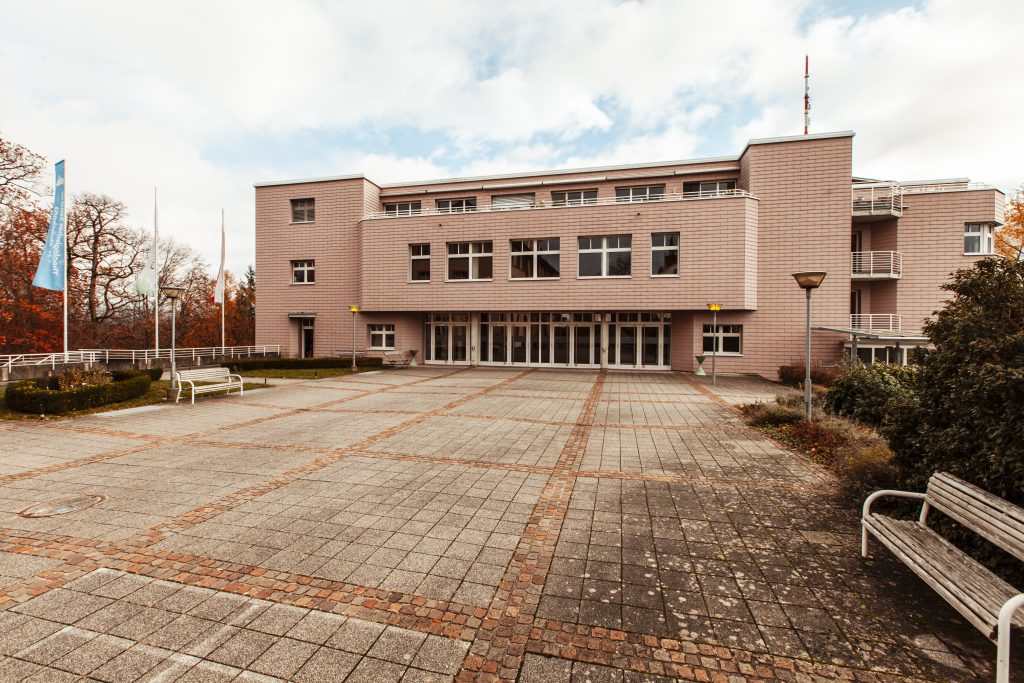
Mehrzweckhaus (multi-purpose building): a functional name for a functional building. It houses flats for students and staff of the Chrischona Berg. Since 2021, it has also had two new classrooms for the Bachelor’s programme in Theology & Music. There is also a joinery workshop and a petrol station. The laundry for the hotel and conference operations is located in the Mehrzweckhaus as well


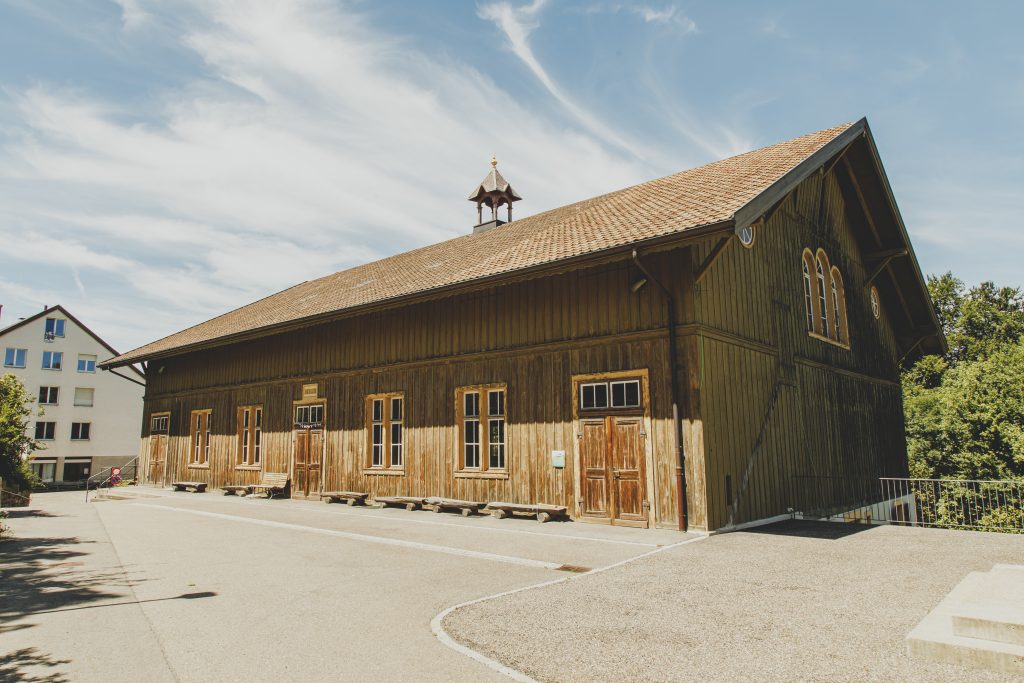
Eben-Ezer Hall
built 1890, listed and entered in the register of historic monuments
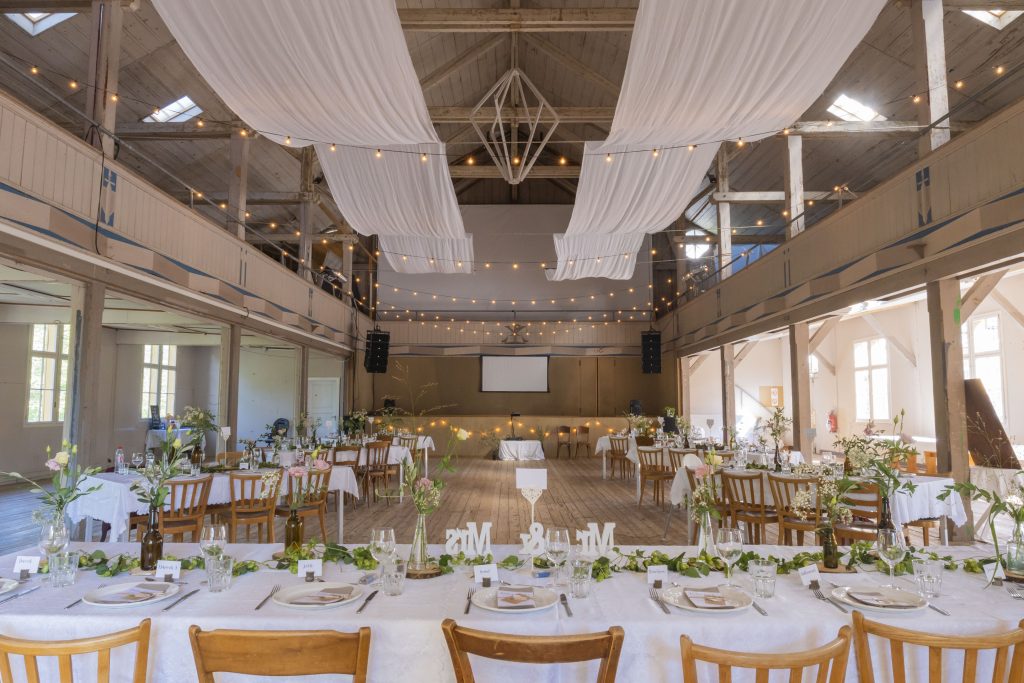
In the Old Testament, Eben-Ezer means the «stone of God’s help». As a thank-you for God’s blessing, the Pilgermission St. Chrischona (today: Theological Seminary St. Chrischona, tsc) built this hall for its 50th anniversary in 1890. With a capacity of 2,000 people
it long remained the largest hall in the area. In 2022, new music practice rooms for students of the Bachelor’s programme in Theology & Music were created in the basement, along with the «Dora-Rappard-Saal» for smaller events and the tsc choir.
The renovated hall provides an atmospheric setting for all kinds of events, such as weddings, concerts or church services
Kirchheim
built 1863, renovated 1999
listed
The Kirchheim used to stand in Basel. In 1863, hard-working students carried the former restaurant stone by stone up to the Chrischona Berg and rebuilt it. It was inaugurated on 25 August 1863. A printing works and some living quarters were
set up in it. The carpenter Heinrich Stähelin, who had skilfully managed the construction, liked Chrischona so much that he immediately enrolled as a student. Today, Chrischona Berg staff live in the Kirchheim.
Morgenrot
built 1882/83, renovated 2010 with an extension in the basement
listed
Old Bibles bearing the inscription «Printed on St. Chrischona» can still be found in Ethiopia today. The first Bibles in the Ethiopian language were produced here in the printing and bookbinding works set up from 1861. In 1883, the printing works were considerably expanded with the construction of the industrial building, today’s Haus Morgenrot. The printer’s ink is long gone; today the building is brought to life by students of the Theological Seminary St. Chrischona.
Brüderhaus
built 1927-29, renovated 1992/93 and 1996/97 (north extension)
listed
At the beginning of the 20th century, the number of students on the Chrischona Berg had grown so much that a new building was needed. Since 1929, the Brüderhaus has provided more space for lecture halls and dining halls as well as rooms for students. The building has served this purpose without interruption to this day. It also houses the offices of the Chrischona Berg. Fittingly, the motto above the entrance of the Brüderhaus reads: «Serve the Lord with gladness!»
Friedau
built 1875, refurbished 2021, listed
In 1875, Marie Antoinette Rappard-de Rham, mother of Chrischona inspector Carl Heinrich Rappard, wanted to spend her old age close to her son. Without further ado, the wealthy widow had a small country villa built on the Chrischona Berg.
After her death, this Haus Friedau became the residence of the Chrischona directors, before it was renovated in 2021 and let as a residential building. From 1902 until her death, the «Chrischona mother» Dora Rappard (1842-1923) also lived and worked in the Friedau. Many of her songs and verses were written here, and this legacy still resonates today.
Conference Centre
built 1989-92
20 years of planning, 43,200 m³ of building volume: the conference centre is still the largest building project on the Chrischona Berg. Since it opened in 1992, many events, meetings and conferences have taken place in the large hall with up to 2,000 seats. It also accommodates the guests of the Breakfast Hotel and the coworking space. The building is also a success story for the Theological Seminary St. Chrischona: students and staff live, study and do research here. And it houses one of the largest collections of Protestant Pietist literature.


Haus zu den Bergen
built 1898/99, renovated 1954
As the name suggests, the Haus zu den Bergen («house facing the mountains») was built in 1898/99 as the Chrischona Berg guest house. On clear days it offers a wonderful view of the Alps. Here, in 1905/1909, the Pilgermission St. Chrischona (today: Theological Seminary St. Chrischona, tsc) founded one of the first Bible schools for women. To this day, the Haus zu den Bergen is both a guest house and a residence for students of the Theological Seminary St. Chrischona.
Restaurant Waldrain
built 1913/14, renovated 1995/96 and 2021/22
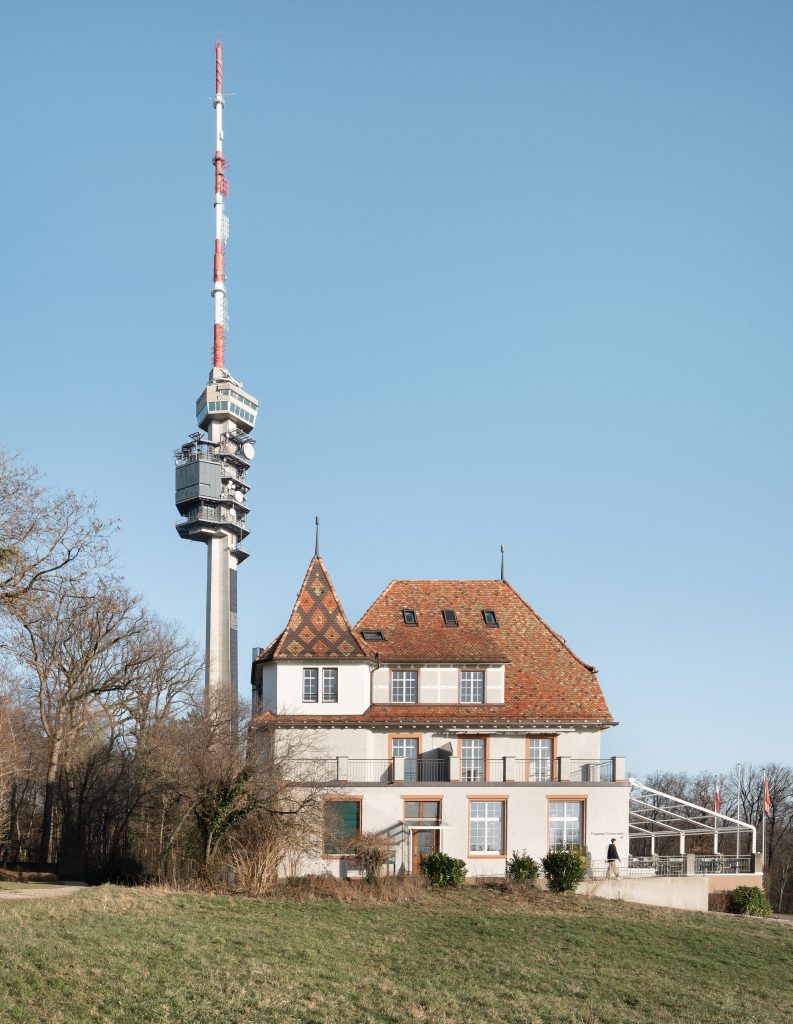
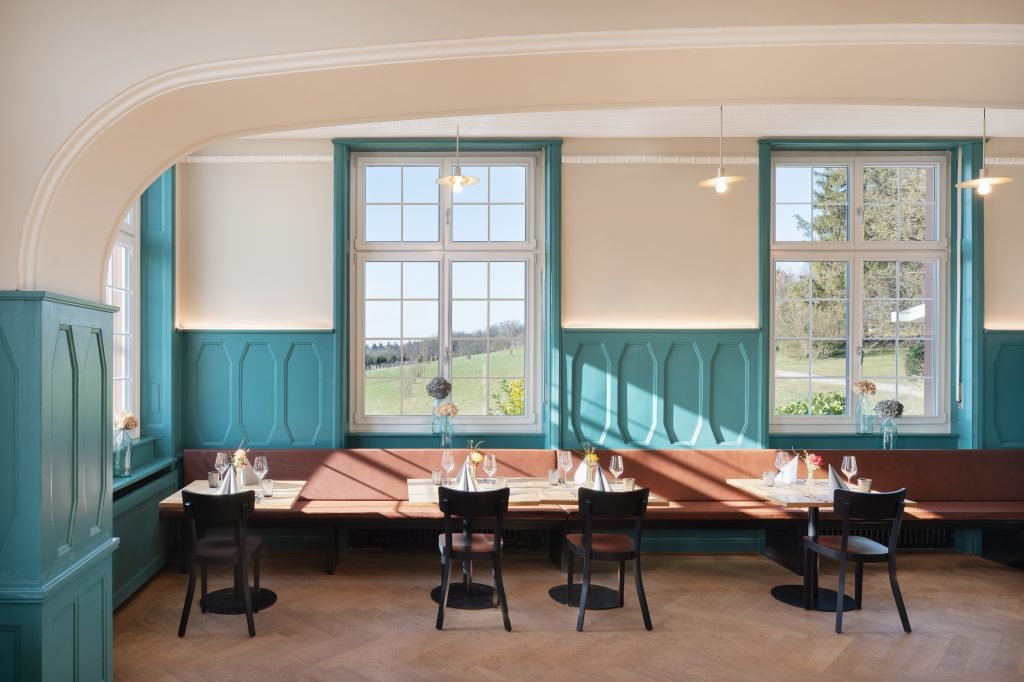
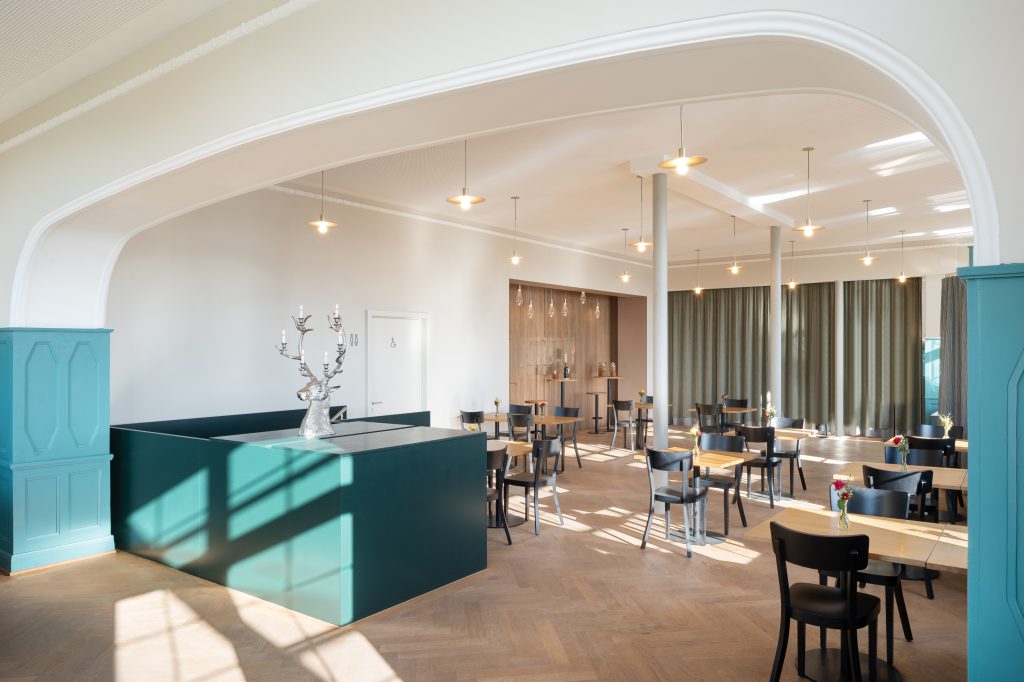
At the beginning of the 20th century, there was neither bus nor car traffic to St. Chrischona. Everyone walked up the Chrischona Berg. To provide food for the hikers, the Pilgermission St. Chrischona (today: Theological Seminary St. Chrischona, tsc) built the Restaurant Waldrain in 1913/14. At first it was a simple coffee hall, later a self-service restaurant with a sun terrace. Extensive renovation work took place in 2021/22. A beautiful restaurant will now delight all guests again, and the building also offers space for flats. What has remained the same is the beautiful view, which on clear days reaches all the way to the Alps.


Farm / Sennhüttli
Farm built 1886/87, Sennhüttli built around 1900
«Fire!» This frightened cry was heard twice on the Chrischona Berg in 1922. Each time, the farm and the Sennhüttli burned to the ground. But the farm buildings were quickly rebuilt. Since their construction in 1886/87, they have been very important for supplying the students and staff of the Pilgermission St. Chrischona (today: Theological Seminary St. Chrischona, tsc). To this day, a tenant runs the farm on the Chrischona Berg
There are currently no available residential units
Get in touch